Abstracts
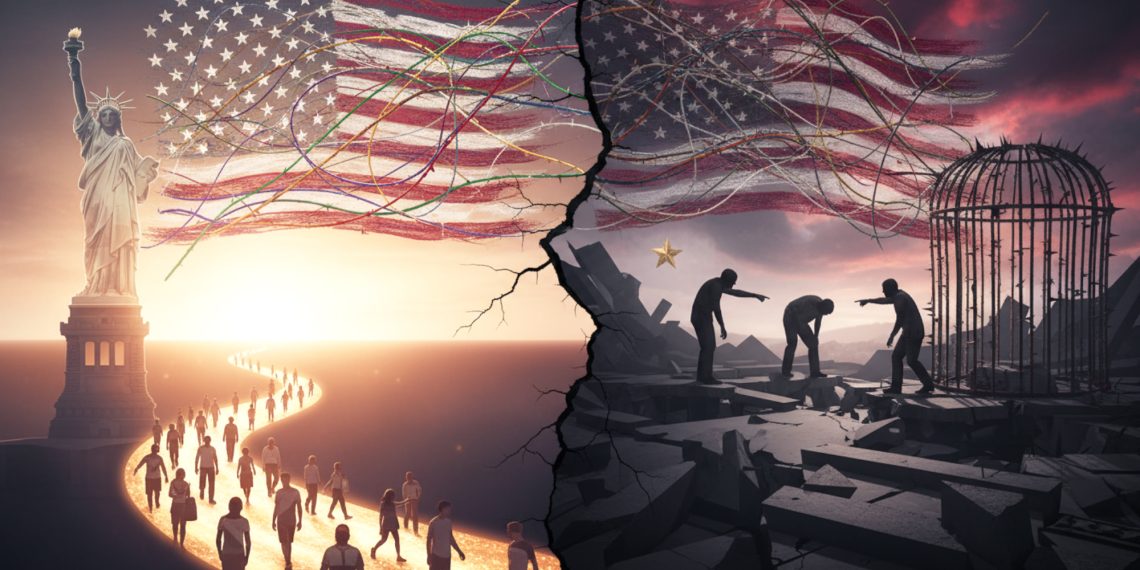
The United States of America has long been celebrated and hailed as the land of opportunity for countless individuals from numerous walks of life who are in pursuit of a better life and a brighter future filled with hope and promise. However, increasingly, it appears that this great nation is drifting into a disturbing and toxic period that has left many citizens and keen observers deeply concerned and troubled. The once open and welcoming land that proudly embraced and celebrated diverse cultures, traditions, and backgrounds is now, unfortunately, turning into a breeding ground where acceptable intolerance and divisive rhetoric have taken root, becoming significantly more prominent in various aspects of society, including politics, media, and daily interactions among citizens. This troubling shift raises serious and unsettling questions about the fundamental values that once defined the nation and the numerous challenges that lie ahead for those who earnestly seek inclusivity, understanding, and compassion in an increasingly divided and polarized environment. Across the globe, America proudly champions the notion that the dream of prosperous living and success is perpetually within reach for those individuals who are willing to put in the necessary effort and dedication, consistently referring to itself as the land of the free and as the home of the brave. Yet, paradoxically, while promoting this ideal concept, it simultaneously allows intolerance to flourish unchecked and unabated, fostering an environment where discrimination is not only pervasive but is also often subtly encouraged in various ways. The distinction between what constitutes acceptable versus unacceptable intolerance remains exceedingly vague and ambiguous, resulting in a society where the refusal to acknowledge a hate-driven cultural landscape is strikingly common and deeply troubling. This dichotomy creates a situation where many individuals experience the harsh realities of discrimination while others blindly adhere to the narrative of freedom and equality. (Abbasi, 2012)
Keywords
American Dream, land of opportunity, Intolerance, Acceptable Intolerance, Rise of Trumpism
Introduction
The United States has long been recognized and widely perceived by both its own citizens and the broader global community as the quintessential land of opportunity. For many generations, it has represented a beacon of hope and prosperity, where individuals from all walks of life could aspire to achieve their dreams and improve their circumstances. However, this once-universal perception is now undergoing a profound transformation that is becoming more noticeable every day. What we are witnessing as a result of this shift is the emergence of an increasingly accepted intolerance that is gradually developing into a central theme that characterizes not only American society but also the very notion of the American Dream itself. It’s crucial to comprehend how this evolving sentiment is reshaping the foundations of a country that once prided itself on diversity and inclusion. This ongoing and significant shift signifies a crucial change in the narrative that has long defined what it truly means to live and thrive in this nation while also highlighting the challenges that lie ahead in reclaiming the essence of opportunity for all.
The past century has witnessed a paradoxical evolution of U.S. immigration and integration patterns. America’s doors have opened to immigrants more than in any prior era, yet the road to acceptance and assimilation has, conversely, never been so fiercely contested. For long-resident white ethnic communities—Irish Americans, Italian Americans, Polish Americans—and Southern and Eastern European arrivals, whom the social historian Thomas J. Sugrue terms the “old wave,” assimilation reflected America’s promise of opportunity. Despite past discrimination, these groups have largely moved beyond ethnic enclaves and invisibility to occupy the middle ranks of American society, claiming material rewards and social respect. Similarly, African Americans sought refuge from the suffocating segregation of the Jim Crow South only to encounter the shifting trap of Northern segregation and racism. In the post-war decades, Blacks, along with most Latinos and Asians— “new” immigrant groups—were believed to embody the forces of progressive renewal that would validate and sustain the American Dream (J. Sugrue, 1999).
Today, the scenario is far less affirming. As indicated by analyses of “identity choice,” a considerable majority of Latinos – a group comprising the largest and oldest ethnic minority within the United States— reject the notion of “American” and regard their Latino identity as warm, accepting, and caring, in contrast to the American self, which is characterized as cold, competitive, and calculating (Massey & Sánchez R., 2009). New immigrant communities— predominantly Muslim and Latin—are struggling to take hold of an opportunity that may exist only in rhetoric. The futures of large and rapidly growing groups—the former majority Latina, Latino, and Mexican populations—remain especially uncertain, as the trajectories and political status of American groups become increasingly fragile and disconnected from the hope their forebears would have once felt was part of their national birthright.
Short Reviews
Douglas Massey and Magaly Sánchez R. (2009) observe that overwhelmingly, Latinos see themselves as Latino and not American—the former identity is imagined as warm, the latter as cold; and American society as affluent and efficient but socially aloof and solitary, while Latino society is warm and generous but poor and disorganized. Thomas J. Sugrue (1999) notes that geographic and social separation facilitates the perpetuation of racial stereotypes and builds mistrust, affording no opportunity to disrupt this dynamic and hardening perceptions of racial difference. Cierra Wallis (2010) finds that during times of fear and chaos, the American majority unifies against minorities, with U.S. government policy from the hour of the attacks onward construing Muslim Americans as terrorists and dictating a broad exercise of collective suspicion, increasing the scope of foreign and domestic policy powers and constricting civil rights accordingly. Rejecting an American identity leaves Latinos in a liminal hybrid space, neither fully part of a nationalizing society nor clearly located within the nations of origin; restrictive immigration policy in turn hardens this liminal identity and encumbers the process of national incorporation—a highly punitive deportation regime raises the costs of undocumented migration and reduces the amount of circular movement that makes space for the construction of a transnational platform; the rise in anti-immigrant sentiment and repressive enforcement hardens social boundaries and introduces an ever more punitive dimension to incorporation that facilitates the coupling between exclusion and illegality in everyday experience. Since preferences are shaped by experience, the upward trajectory of Latino public opinion on immigration becomes vulnerable to alteration if movements into the United States are slowed and the character of migrant experience transformed by a hostile social and political environment.
The Evolution of Opportunity in America
Since the early twentieth century, the American Dream has provided a guiding narrative defining the nation’s purpose and individual aspirations (Hewitt, 2018). Considered a psychological ideal as well as a tangible goal, it fostered social mobility and the belief that America was a land of opportunity accessible to all. Social mobility, characterized by movement among upper, middle, and lower economic classes, underpinned this dream and common experience (Pavlović, 2019). Yet the opportunity to realize it never extended equally to all groups, and the framework of social mobility later became a framework of structural oppression that confined certain groups to fixed categories and excluded them from the promise of advancement. Still, the belief in opportunity endured as a defining tenet of American society and mirrored the nation’s vision of itself.
The notion of opportunity has consistently been regarded as a potent and influential cultural ideal that permeates throughout American life and society. However, as numerous commentators and thinkers have astutely observed and pointed out, this widely embraced narrative has become significantly more challenging to uphold when considering the actual lived experiences of many individuals across various demographics. The narrative that Americans tell about their own identity and the core values they proudly uphold is consequently in desperate need of a fundamental adjustment and reevaluation—one that shifts away from the simplistic assertion that America stands unchallenged as the ultimate land of opportunity. Instead, it must begin to recognize and confront the more complex and troubling reality that America frequently functions as a breeding ground of acceptable forms of intolerance and systemic inequality, which impact countless lives and communities each day. This acknowledgment is essential if we hope to pursue a more equitable future where opportunity is genuinely accessible to all people, regardless of their background or circumstances.
The quantitative evidence that we meticulously analyze presents a relatively straightforward and clear picture that raises significant and important questions about economic growth and the wealth distribution dynamics over time. Notably, industrial and agricultural production in the nation reached its remarkable pinnacle in the notable year of 1972, representing a significant high watermark for these vital sectors. Moreover, when we examine real income per household data, it indicates that there has been little appreciable or meaningful growth since the year 1976. This stagnation in real household income represents a striking stand that stands in stark and sharp contrast to the continually increasing wealth of the top earners in society. Specifically, the nominal income of the wealthiest 1% of the population not only soared but skyrocketed from a mere 8.3% of the total income pie in 1976 to an astonishing and unprecedented 17.4% by the year 2007. This disparity raises crucial points about who benefits from the economic progress and underlines the need for a much deeper investigation into the systemic factors contributing to this inequity in wealth distribution over the decades.
Additionally, poverty rates exhibited striking and notable stability between the years 1979 and 2006, averaging roughly 12.2% during one presidential administration and escalating slightly to 15.2% during the subsequent administration, before eventually declining to 13.3% during the last administration within that time frame. This indicates a remarkable consistency in the poverty levels experienced by many millions of Americans, despite the changing leadership and policies across these years. Wealth distribution has also experienced significant shifts and changes, with the share of wealth held by the nation’s bottom 80% being effectively halved between the years 1983 and 2007. This dramatic decline has led to an increasingly unequal distribution of assets and resources across the socioeconomic spectrum, exacerbating the divide between the wealthy and the less fortunate in society.
Furthermore, home ownership rates have consistently lagged behind those of other developed regions worldwide, presenting a significant challenge for many. This critical metric, which is indicative of overall economic health and stability, has settled below the 70% threshold for nearly a quarter of a century leading up to the global economic downturn. This troubling trend raises serious concerns about housing accessibility and economic stability for the average citizen, underscoring the difficulties faced by countless families in their quest for suitable housing. Throughout these decades, it has been observed that median household income remained largely stagnant, which further emphasizes the persistent struggle for many American families to achieve meaningful financial growth and long-term security in an ever-changing and often unpredictable economic landscape. As the gap between rising living costs and stagnant wages continues to widen, the dream of home ownership appears increasingly elusive for a significant portion of the population.
However, such differences—between gross national product, home ownership rates, median income, poverty, and wealth—are largely irrelevant to individual perceptions of opportunity and how people see their own economic circumstances. A person who is living at the poverty line typically measures their economic status against the local middle class rather than the national GDP or the broader economic indicators that might seem important on a grander scale. And because the concept of opportunity itself is ordinarily conceived in terms of the ability to achieve mobility across a social hierarchy, individual perceptions depend crucially upon the ability to move freely within that particular structure and the options available to them. From that standpoint, the American picture is even dimmer than many would hope. While median income more than doubled between 1970 and 2007, the probability of upward mobility within the U.S. class structure saw a dramatic fall from 90% to just 50%. This decline indicates a significant shift in how individuals experience opportunities for advancement, highlighting the growing barriers to economic growth and progress despite the apparent increases in income levels. (J. Sugrue, 1999)
Socioeconomic Factors Influencing Perception
America has historically been associated with freedom, the American Dream, and opportunity; currently, it is increasingly perceived as a breeding ground for acceptable intolerance (Nghiem-Olson, 2017). This shift is accompanied by the rise of relatively open forms of racism in the popular sphere. The American Dream, inspiring emigration throughout the twentieth century, was born in an era of marked economic growth that resulted in significantly improved material well-being for most Americans (Massey & Sánchez R., 2009). However, structural changes since the 1970s—including the slow disappearance of middle-income jobs, the rise of precarious employment, and the growing concentration of wealth among the top one percent—have made socioeconomic advancement ever more contingent on cultural capital and geography, that is, on parental wealth and the neighborhood of childhood. While social mobility persists, it is the exception rather than the rule (M. Pickering, 2014).
Cultural Narratives and Their Impact
Dominant cultural narratives provide interpretive frameworks through which Americans make sense of events and form collective identities. These stories encourage involvement in social groups, and both the groups and the stories act as touchstones, encompassing explicit statements, assumptions, images, and metaphors (Berteaux, 2017). Because they resonate broadly, narratives hold considerable power in shaping attitudes. The narrative of America as a land of opportunity fosters a self-image based on equality, inclusion, and openness. Storytelling is thus the heartbeat that sustains these self-being identities. Having established the shift from opportunity to acceptable intolerance, the investigation now turns to media preparation of this phenomenon. A country renowned for giving chances to the unknown, for caring about humanity, paradoxically sees intolerance becoming more acceptable (J. Sugrue, 1999). The cultural narratives framing such an environment must therefore be continuously maintained and nurtured.
The Role of Media in Shaping Views
The media play a powerful role in framing intolerance as acceptable. Propaganda studies have established that sustained propaganda often makes people “ready” to accept the propagandist’s ideas when they are presented, even if rejection seemed more probable in an earlier stage (Furgacz, 2017). Americans have become “ready” through decades of media consumption to accept messages that would have been impossible to accept a century ago—messages that classify people as criminals and traitors, disloyal and dangerous, ignorant and desperate, rude and wasteful, dependent and lazy, violent and brutal—all on the basis of their race, religion, education, gender, and so forth. Some Americans have been “primed” to accept that it would be acceptable, appropriate, and perhaps even justified to deny housing, jobs, credit, contracts, loans, services, social and political rights, and equal justice under the law to these groups.
Acceptable Intolerance: Defining the Concept
Acceptable intolerance denotes practices or expressions of prejudice, antagonism, or discriminatory attitudes that are sanctioned by social norms or prevailing cultural standards. It encompasses attitudes and behaviors that fall outside the boundaries of politically correct discourse, whereby vocalization may be tolerated, accepted, or even encouraged by a significant segment of the general population. The term occupies a conceptual space between individual prejudice and the encompassment of systemic discrimination and societal exclusion; both the former and the latter generally fall outside the scope of acceptable practice. This framework facilitates undeterred criticism or condemnation of a group without necessity of concealing one’s identity.
Within American social life, accepted intolerance constitutes a mechanism by which social order is preserved by ensuring adherence to established norms. By delegitimizing selected groups through the toleration or permissiveness of physical or verbal threats, a majority restores or reinforces a normative hierarchy. A comparative example exists in Canada: although paradoxically more permissive of intolerant public speech, the responsibility of governmental and non-governmental organizations to condemn or discourage hateful communications—a responsibility absent in the United States—results in a politically intolerant public discourse. Tensions arise between ‘official’ multiculturalism or diversity and the willingness of segments of the population to tolerate, or even embrace, the exclusion or marginalization of particular groups. The context of contemporary American society, exemplary of this phenomenon, is characterized as ‘acceptably intolerant,’ ‘politically incorrect,’ ‘un-PC,’ or ‘PC-unacceptable.’
The process of defining acceptable intolerance necessitates the a priori identification of intolerant attitudes and communication. Interpreted broadly, many racial, ethnic, class, religious, gender, and age-related stereotypes would be accommodated; selected forms of discrimination and exclusion become necessary antecedents insofar as they manifest societal privileging of one group (or category of people) over another. Acceptance denotes sanction by social norms or the prevailing ethnic or cultural majority, a ‘permissible,’ culturally-specific form of discrimination or antagonism directed toward a minority group manifest at the levels of values, behavior, and social structure. Other groups considered undesirable in the United States, e.g., pedophiles and murderers, are generally excluded from this regard because they do not possess the requisite legitimacy or power as a discrete ethnic or social group. (Wallis, 2010)
Case Studies of Intolerance in American Society
Demonstrating the increasingly glaring gap that exists between America’s original promise of opportunity for all citizens, regardless of their background or belief systems, and the stark, often disheartening, reality of merely acceptable intolerance that has come to be accepted by many requires the careful inclusion of numerous examples drawn from various distinct aspects of American culture and society. Racial discrimination continues to permeate various sectors of life, tragically affecting countless individuals and families. Furthermore, religious intolerance remains painfully prevalent in many different communities across the nation, leading to tensions and conflicts that undermine the fabric of our diverse society. Moreover, gender inequality persists across workplaces and other areas of everyday life, manifesting in unequal pay, limited opportunities, and significant barriers to advancement for women. Additionally, the rise of Trumpism signifies a notable and troubling shift in both political and societal attitudes that seem to embrace divisiveness and exclusion. These are all prime examples of the deeply discomforting environments that have unfortunately become widely viewed as troublingly normal facts of modern life. This normalization of intolerance stands in stark contrast to the founding ideals of the nation, reflecting the corrosive symptoms of a deeper, more insidious pessimism and a distinctly faltering sense of national identity that continues to mirror the myriad challenges faced by all segments of the nation.
America’s image as a society where opportunity is widely accessible for each individual has long been tempered by numerous episodes of racial discrimination and dehumanization that seem fundamentally at odds with the overarching narrative that America promotes. The nation’s historic and continued intolerance of Native peoples and of African Americans in particular—this injustice extends to Native-descended individuals, various communities of color, and immigrants more generally—remains a constant and deeply significant source of both internal turmoil and an ongoing critical reassessment of the broader idea of the American Dream and the values it purports to uphold. This persistent tension between the ideal of inclusivity and the harsh reality of exclusion continues to challenge the nation’s evolving sense of identity, unity, and purpose. It raises important questions about whether the ideals that are celebrated truly reflect the lived experiences of all individuals, particularly those from marginalized backgrounds. As America attempts to reconcile its democratic principles with its complicated and often painful past, the disparity between the American Dream and the lived realities for so many acts as a powerful reminder of the work that still needs to be done to fulfill the promise of equality and justice for all.
Racial Discrimination
The contemporary socio-racial landscape in the United States is characterized by a troubling persistence of prejudice and a widespread culture of pervasive discrimination. Society is identified as being, on average, still prejudiced, with discrimination extending not only to racial minorities but also to immigrants and Muslims. The dire circumstances that these groups face are often tolerated and accepted within various segments of society. Consequently, the United States is perceived not only as the land of opportunity but also as a breeding ground for acceptable intolerance. Evidence supporting such stark realities and similarly ascertained perspectives is presented in this section, particularly with respect to the continued issues of racial discrimination that plague our society. This examination underscores the importance of addressing these issues head-on and encourages a deeper conversation about how to foster a more inclusive and equitable future for all citizens, regardless of their background.
Residents who experience direct and meaningful contact with members of other groups also tend to exhibit significantly lower levels of prejudice and are much more likely to espouse a more positive and inclusive outlook towards others. This contact appears to significantly reduce prejudice by facilitating a greater identification with other groups, or by promoting more favorable and empathetic affective evaluations. Furthermore, large and persistent gaps in perceptions and attitudes that exist among whites and minorities must be carefully interpreted in the context of the continuing legacy of discrimination, segregation, and poverty that these communities continually face. These multifaceted factors contribute to longstanding disparities in understanding, acceptance, and mutual respect, further highlighting the critical importance of fostering meaningful interactions, communication, and collaborations among diverse groups to ultimately build a more inclusive, understanding, and equitable society for all individuals.
Religious Intolerance
Since the late 1990s, there has been a noticeable increase in Christian influence in various governmental affairs, which has accompanied the rise of conservative political movements across the nation. This growing integration of religious values into public policy reflects a significant shift in public attitudes on crucial issues such as abortion, the display of religious symbols on public property, and the practice of public-school prayer. Notably, these perspectives align more closely with conservative and Catholic positions than those observed in many other Western democracies. Numerous commentators and political analysts anticipate that this convergence of religious and political ideologies will continue to grow in strength and impact over the coming years. Culturally anchored in a rich and complex global system of Christian ideas and beliefs, American political culture reveals a remarkable capacity for tolerance toward intolerance, thus placing it in an atypical alignment with its Western European counterparts, which often express a more secular view in the public sphere. (Curley, 1997)
Gender Inequality
Gender inequality remains one of the dominant forms of discrimination in American society (K. Bosson et al., 2012). The second wave of the American feminist movement brought about substantial changes in Americans’ beliefs and attitudes about women’s opportunities. In American society, gender discrimination has roughly declined over the last 30 years, but endorsement of gender discrimination strongly depends on group membership. Groups with greater social power tend to hold different beliefs about discrimination faced by low-status groups. Do men perceive gender discrimination as a zero-sum game? Recent findings show that Whites, but not Blacks, view racism in the United States as a zero-sum game in which one group’s gains come at the expense of another. Whites also tend to perceive that anti-White racism increased by the 2000s as anti-Black racism decreased, again suggesting a zero-sum perception. In contrast, Blacks see that discrimination against Blacks has decreased but remains greater than discrimination against Whites. One then asks if American men similarly see gender discrimination as a zero-sum game. Prototypical manhood is often viewed as a precarious and potentially fragile social status, and thus, men’s perceived threats to this status from women’s rising power might foster ‘‘us against them’’ attitudes and zero-sum thinking. Men sometimes perceive gender relations as a zero-sum game and, as a consequence, are motivated to actively deny the existence of discrimination that women face.
Growing Trumpism
The emergence of ‘acceptable intolerance’ was discernible during Barack Obama’s presidency, with heightened racial divisions and exponential growth of hate groups (Bell, 2019). Fueled by socio-economic malaise and shifting racial demographics, the 2008 financial crisis narrowed the American Dream to conspicuous displays of wealth. Donald Trump channeled these dynamics, advocating authoritarian policies and renewing ethnic nationalism to restore ‘American greatness’ (Davison, 2016). Trumpism indirectly implies that America has moved away from its historical identity as the land of opportunity it once proudly represented, a place where dreams could be realized and aspirations could take flight. Instead, it seems to be transforming into a breeding ground where various acceptable forms of intolerance can not only flourish but also thrive unabated, creating an environment that fosters division rather than unity. This unfortunate shift raises serious concerns about the future direction of American values and societal norms, leading many to question what kind of country will be left for future generations.
Donald Trump now commands the trust of Americans frustrated with domestic and global socio-economic transitions. His audiences consist of dissenters mobilised through aggressive spectacles, where opponents become symbolic scapegoats. Simplistic solutions such as banning immigrants or Muslims from American society garner enthusiastic support but betray the pragmatic measures necessary for policy-makers. Lacking the knowledge or experience to solve underlying problems, Trump nevertheless wields rhetorical skill, humour and bullying to offer relief from chronic social uncertainty. Through covert appeals to racialized grievance, Trumpism contends that only by expelling weak leadership can the United States recover past greatness. The movement draws especially from white, male, working-class sectors, disoriented by the ongoing socio-political remaking of a diverse, globalised nation. Their disillusionment has accumulated over decades, as civil rights, feminism and multiculturalism have challenged customary patterns of white male dominance. Legal frameworks such as Affirmative Action and Title IX become recurrent touchstones of perceived unfairness and exclusion.
Political Climate and its Influence
The rhetoric and policies of the United States political class are explicit about American citizens’ right to intolerance. This statement requires elaboration. Intolerance manifests in numerous forms and degrees of unacceptability. Generally, intolerance of abhorrent behaviours—murder, rape, theft—is socially denied as being acceptable. Conversely, refraining from assassinating, raping, or stealing is considered appropriate if not laudable. Discrimination on the basis of race is “acceptable” in a wide variety of circumstances, including employment, housing, criminal sentencing, and everyday social interactions. America has devised and justified a documented, unyielding, and deep commitment to discrimination against religious minorities composed of Sikhs, Hindus, Buddhists, Muslims, and, most recently, Jews. Equal pay for equal work remains not a reality for women. The infinite varieties of intolerable sexual harassment have produced a #MeToo movement large and diverse enough to demand significant structural change in major segments of the country. Perhaps, the most vivid source and exception to American values at present may be Donald Trump. Such a source raises questions for leaders, historians, and contemporaries: Is “Trumpism” a broadly acceptable form and sanction of current American practices? “Trumpism” as a social explanation details America’s broad-scale arrangements and modalities (Massey & Sánchez R., 2009). If “Trumpism” is an entirely “American” creation, the multifarious components of “Trumpism” define the modalities responsive to the rhetorical questions examined in this next section.
Public Policy and Intolerance
American public policy undeniably plays a significant and central role in making intolerance not only acceptable, but oftentimes normalized within the intricate fabric of society. This ongoing and persistent trend is not an isolated issue; it is part of a broader, more troubling phenomenon, in which the entire country has gradually shifted away from the once vibrant promise of opportunity that characterized the traditional American Dream, a dream that many people held dear and aspired to achieve. Instead, the nation has started to adopt a set of core American values whose primary function appears to be justifying discriminatory practices and rationalizing the alarming level of intolerance that has become increasingly observable in various facets of daily life, significantly impacting the lives of many individuals and communities across the nation. This distressing shift reflects deep-rooted societal changes and raises pressing questions about the implications for the future of equality, justice, and unity in America, prompting a critical and necessary examination of the path that lies ahead. The challenge now is to confront these issues head-on and seek solutions that can foster a more inclusive and equitable society for everyone. (Verkuyten et al., 2018)
Legislation serves as one of the few overt expressions of a political climate that is predominantly influenced by pervasive rhetoric and the tacit acceptance of various forms of intolerance. Programs such as the war on drugs, local and state crackdowns on undocumented migrants, as well as significant cuts to public assistance during the turbulent decades of the 1980s and 1990s, provided direct support to a specific set of values that reflect a culture of intolerance. Even policy developments that possess a more explicitly democratic character have frequently exacerbated existing issues of discrimination and exclusion. A notable example is the 1996 Welfare Reform Act, which established universal voting identification requirements and denied public benefits to numerous immigrants, even though many of these individuals were not legally entitled to participate in the voting process. This not only highlights the complexities of such legislation but also underscores the ongoing struggle surrounding issues of inclusivity and fairness within our political framework.
The Impact of Education on Perceptions
The educational system serves as both a gatekeeper and a mirror for social values regarding opportunity and tolerance. Urban schools predominantly disseminate material from a narrow Euro-Anglo perspective, failing to embrace multicultural content that reflects the nation’s diverse population (Shahid, 2005). White educators, as the dominant authority, must engage in continuous self-examination to confront entrenched biases and to evolve into agents of healing and transformation; yet the belief that racism has largely disappeared impedes such progress (Alhumam, 2015). The resulting whiteness of public institutions limits minority access to employment and contributes to racial polarization that permeates politics and public opinion (J. Sugrue, 1999). When young people graduate from those segregated schools, they are ill equipped to interpret, much less challenge, the societal narratives that justify acceptable levels of intolerance. Some alternative forms of U.S. populism explicitly tacitly endorse such narratives, while grassroots organizations systematically attempt to deport them from local discourse.
Grassroots Movements and Responses
From the late 19th century through the mid-20th century, Americans responding to national crises drew upon the idea of America as a land of opportunity to help explain and justify choosing to fight (J. Sugrue, 1999). Since then, America’s status as a land of opportunity has drawn new scrutiny as the introduction of globalization during the 1970s followed offshoring and outsourcing with the sustained disinvestment in American spaces where opportunity was historically generated.
Grassroots organizations have very effectively demonstrated various mechanisms that communities can utilize to generate opportunities, especially in the face of significant disinvestment. Under free-trade agreements, offshoring poses a serious threat, potentially extending disinvestment beyond the interior regions of America to those areas that were only marginally connected with any form of opportunity. As we witness the continued shortening of global travel distances, this phenomenon threatens not only the movement of capital but also the flow of peoples, which ultimately contributes to the spread of intolerance. This troubling trend disenfranchises some of the core sections of the American populace, making it even more crucial for local organizations to step up and counter these forces by fostering community resilience and promoting inclusivity within the economic landscape.
The Role of Technology in Spreading Ideas
The noticeable presence of what is often referred to as “acceptable intolerance” within American society can be clearly observed and identified in various aspects today. Immigrants and diverse minority groups frequently encounter numerous significant challenges and obstacles that many individuals in society perceive as being alien or foreign to the long-standing and widely propagated “land of opportunity” mythology. This prevalent notion stands in stark contradiction to the ideal of America as a genuinely welcoming haven for everyone, regardless of their background or origins. Media coverage plays a particularly significant role in reinforcing this perception, effectively offering a platform to access wider audiences who may not fully grasp or understand the complexities and numerous nuances of these pressing issues.
Technology undeniably plays a significant and pivotal role in facilitating the rapid spread of a wide variety of ideas, concepts, and innovations across the globe, yet it simultaneously creates a buffer with certain degrees of separation and distance that can exist between individuals. Platforms such as social media, email, and other digital communication tools are instrumental in transmitting films, messages, and information that might otherwise go unnoticed or be easily overlooked in our fast-paced world. Just as microaggressions and micro-inequities serve to break down a complex case and help to reveal everyday examples of prejudice and bias, so too do microfilms and short Internet videos highlight and punctuate the vital connection between the source of content and its intended audience, making it critical to understand the dynamic relationship that exists in this digital landscape.
America vs. Other Nations
While it is not unique to America, significant intolerance also characterizes many other parts of the world today, encompassing a variety of cultures and communities. That said, trends toward acceptance of considerable intolerance vary greatly and often depend intricately on individual national histories, recent incidences of conflict, and the persistence of deeply ingrained social and cultural assumptions. In recent years, immigration surges in various places such as Europe and Australia have sparked considerable cultural and social tension, leading to debates on national identity and cohesion. Meanwhile, violence in regions such as Syria, Ukraine, and Myanmar has reawakened longstanding world refugee patterns. This has led to a complex interplay of issues surrounding migration and assimilation. As such, underlying pressures that reinforce intolerance may intensify in a number of nations, thereby contributing to a wider revival of acceptable intolerance, often manifesting in political rhetoric and public sentiment. The impact of all these factors highlights the ongoing challenges faced by societies grappling with these severe dynamics.
Still, it is fair to strongly conclude that it is in America that countless individuals—and perhaps even the vast majority of the population—perceive and largely accept continued and various forms of intolerance. Although countless Americans engage in heated debates that revolve around the pros and cons of such acceptance versus the need for change, very few individuals openly challenge its appropriateness or question the very foundations upon which this seemingly entrenched perspective rests. As a consequence, America at this particular juncture exhibits a concerningly high and rarely questioned level of tolerance towards significant and deeply rooted levels of intolerance. America, then, readily appears to have become the world’s largest breeding ground for various forms of widely accepted intolerance, creating a complex landscape where the acceptance of intolerance coexists uneasily with the ongoing struggle for true inclusivity and equitable treatment for all individuals, regardless of their background or beliefs. (Winchell & Arthur Smith, 2009)
Future Implications of Current Trends
The transition from a culturally dominant power to a globalization backlash is evident, while demographic shifts exacerbate ethnonationalist resentment. Future prospects hinge on the extent to which the United States bolsters inclusive egalitarianism or descends into destructive tribalism—shifts that resonate worldwide (Massey & Sánchez R., 2009). Urbanized, industrialized, and concentrated minorities constitute an explosive political mix, compounded by long-term racial segregation and neoliberal policies that intensify fixed social stratification and competition. Caught between American ideals and the hard realities of a nation that tolerates inequality and exclusion, many nonwhites respond with fear, defensiveness, and alienation, redirecting these emotions at outsiders and other stigmatized groups. In the absence of meaningful racial progress and reducing opportunities for future upward mobility, Americans may comfortably migrate past the American Dream and embrace acceptable intolerance. The rejection, exclusion, and discrimination within the United States profoundly influence newcomers’ willingness to seek acceptance; thus, providing legal entry opportunities—particularly for Latin Americans—as economic integration accelerates is essential (J. Sugrue, 1999).
The Psychological Effects of Intolerance
When intolerance becomes increasingly acceptable within various aspects of society and begins to breed within its very core, the fundamental fabric of social cohesion starts to fracture progressively and alarmingly. Individuals may struggle significantly with overwhelming feelings of exclusion, pervasive fear, and societal alienation, which can lead to a variety of stress disorders, anxieties, and emotional difficulties. Over time, such negative experiences can diminish their willingness and desire to participate actively in broader communal activities and events that once fostered togetherness and unity. The long-term mental health consequences of sustained exposure to such a toxic and hostile environment remain alarmingly uncertain, deeply concerning, and worrisome for both individuals and the society at large. A notable lack of social cohesion severely hinders collective progress toward a more harmonious, productive, and inclusive community. Nevertheless, some scholars consistently underline that these distressing phenomena are not entirely new to American history. In fact, past societies have faced similar struggles, challenges, and adversities, which serve as a reminder that working toward a more just, accepting, and unified society is a continuous and necessary endeavor. (Wallis, 2010)
Strategies for Promoting Inclusivity
Recent experience underscores the necessity of a sustained movement to counteract the denial of racial divisions within society (Briggs, 2015). In practice, such a movement should embrace change and embody principles of inclusion, application, and listening. The central objective involves constructing institutions of inclusion to supersede those founded on segregation, and, in the process, constructing a new Society of Equivalent Life. Accomplishing this requires acceptance of limits, adherence to the rule of law, and the establishment of an inclusive national community. Guided by these principles, political, economic, and social arrangements can be modified to further the project of inclusion.
Implementation entails articulating a positive vision for an inclusive society that acknowledges humanity’s range and complexity in dignity and difference. Sustaining this vision necessitates sufficient optimism to endure without descending into despair. Moreover, it mandates the substitution of “understanding” for “exclusion” in the social imagination, fostering political and institutional frameworks reflective of such a society. Correspondingly, it requires cruder myths to yield to more inclusive narratives. Americans must reconsider their conception of national identity—who counts as truly American and who deserves national inclusion (J. Sugrue, 1999). Such questions currently constitute the central issue confronting the nation. To realize a desirable America, the task involves deciding upon an identity that promotes both individual prosperity and communal solidarity (Alhumam, 2015).
Community Engagement and Activism
Community engagement and activism play a crucial role as vital counterweights to the entrenched cycles of acceptable intolerance that have become all too prevalent within American society. Local organizations, churches, and various unofficial social networks often extend an array of valuable services to economically disadvantaged citizens, particularly those hailing from marginalized groups—services that are frequently denied by government programs or deliberately withheld by for-profit institutions that prioritize profit over people. Despite the critical importance of these initiatives, efforts aimed at confronting and disrupting the interlocking cycle of economic and racial intolerance often face substantial resistance. This resistance manifests as a vortex of racial myths that serve to preserve and reinforce the very conditions that these activists and community members seek to transform and improve. It is imperative that these myths are challenged and deconstructed in order to pave the way for real progress and change. (W. Bender, 2016)
Positive community engagement, particularly when aimed at eliminating all forms of acceptable intolerance, remains capable of reestablishing a legitimate pathway to the traditional American Dream. Sustained and effective grassroots activations seeking an egalitarian vision of America succeed in redirecting public attitudes and behaviors (Wallis, 2010). This pattern has been evident in decades of experience; when political confrontations begin to acknowledge and engage with the growing intensity of economic and cultural inequalities, the solidarity necessary to overcome the multidimensional barriers—psychological, social, economic, cultural, and political—that preclude broader access to the American Dream is more readily achievable. Such political transformations have become indispensable for reversing the sequence in which intolerance and exclusion are normalized.
The Role of Leadership in Shaping Perceptions
Leadership at every level of decision-making holds a profoundly significant role in shaping society’s consciousness and public opinion across the expansive spectrum of intolerance. Throughout the extensive history of the United States of America, various leaders – alongside the critical laws that were enacted to promote and ensure equal rights for all individuals – have played a pivotal role in influencing and guiding public opinion on fundamental issues related to race, religion, gender, and sexual orientation, steering them toward a more tolerant and inclusive position. However, during the past year, a concerning trend has emerged in which many leaders have, regrettably, espoused notions of intolerance and have actively promoted policies that stand in stark opposition to the deeply ingrained and widely held values of tolerance and inclusion that many citizens aspire to uphold. This shift represents a troubling departure from the progress that has been made in the pursuit of equality and acceptance for all.
When leaders take to the public stage to openly espouse intolerance and actively promote divisive ideas, these harmful views inevitably begin to gain a foothold and gradually become more socially acceptable to the general populace. This shift in acceptance is deeply concerning as it signifies a deterioration in societal values. Consequently, these divisive beliefs are reflected not only in the behaviors of individuals but also prominently within the practices of various institutions. Given the significant power that leaders wield in shaping society’s collective consciousness and influencing public opinion, it becomes increasingly difficult to shift the societal needle back toward an inclusive and truly tolerant society. This daunting challenge intensifies even further when the leadership continues to endorse a wide and troubling array of intolerant attitudes and actions, thereby eroding the crucial values of acceptance and social cohesion within the community that bind people together. Ultimately, this ongoing cycle of intolerance poses a serious threat to the foundational principles of unity and understanding that are essential for a healthy society.
Evaluating the Effectiveness of Interventions
Intervention evaluation in addressing acceptable intolerance requires assessment of program efficacy, scalability, and sustainability to inform policy development. Mental health programs targeting racial minorities in Chicago during the 1990s provide an illustrative case. Initiatives such as the National Alliance on Mental Illness implemented community education, culturally competent therapeutic outreach, and advocacy for equitable healthcare access (Massey & Sánchez R., 2009). These interventions effectively improved coping strategies among African American populations experiencing racial trauma (J. Sugrue, 1999). The programs’ success was attributable to engagement with cultural values emphasizing social responsibility and community solidarity, alignment with broader movements challenging marginalization, and utilization of existing social networks for dissemination. However, limitations included challenges in expanding reach, dependence on external funding, and variability in treatment completion rates. The primary focus on African American communities further highlights the need for adaptation to address diverse manifestations of acceptable intolerance in contemporary American society.
The Intersection of Economics and Intolerance
One of the most potent and consistent contributors to the cycle of emotional, physical, and even social geographical intolerance continues to be economics. Shocks to the economy invariably trigger waves of scapegoating and oppression. Between the end of World War II and the early 1970s, most Americans experienced steady economic growth, with many overcoming the threshold of middle-class security. Yet since the early 1970s, the momentum toward increased prosperity has slowed (Hardaway, 2013) : the middle class has diminished, new industries have displaced or downgraded existing ones, and competition from international markets combined with the loss of state power to counterbalance these trends have contributed to a widespread perception that America has ceased to be the land of opportunity it once was. Instead, the country is viewed increasingly as the breeding ground of a brand of consumerism that accepts intolerance as status quo.
Global Perspectives on Intolerance
During the twentieth century, the United States’ perception as the land of opportunity remained dominant. Immigrants came to the US, aspiring to what came to be known as the American Dream—the hope that economic success was achievable in America regardless of class or country of origin. Over recent decades, this image has been seriously eroded. To many, the American Dream has become more mythic than real. Center-stage is then the breeding ground of acceptable intolerance; a term elaborated in Chapter 7 and further illustrated through cases such as racial discrimination, religious intolerance, gender inequality, and the rise of Trumpism. As these intolerant attitudes have become increasingly widespread, they have also become correspondingly acceptable to a significant proportion of the population. Both media and public-policy decisions have contributed to this phenomenon, as discussed in the preceding section.
Intolerance is not exclusively an American phenomenon. A comparative analysis of other countries provides additional context for America’s experience. According to the IBPP Editor (1997), in an era of globalization, the image of the Ugly American has become increasingly apparent. The US Congress’s rejection of ‘fast-track’ authority for trade treaties, citing concerns over labor and environmental standards worldwide, exemplifies this stance. Legislation such as Helms-Burton and sanctions against Cuba, Libya, and Iran penalizes foreign entities engaged in specific trade activities. Although these actions aim to promote global freedom and prosperity, critics perceive them as imperialistic and insensitive to diverse cultures. Sociologist Samuel Huntington warns of a future threat characterized by conflict driven by clashing values, suggesting that US citizens may be increasingly at risk due to these global tensions.
(J. Sugrue, 1999) highlights the role of residential and educational segregation in fostering misconceptions and mistrust. Such separation limits opportunities to challenge racial stereotypes and reinforces perceptions of racial difference. Segregation results in racially homogeneous institutions and restricts minorities’ access to employment opportunities, leading to racial polarization. Despite increased diversity from immigration, many Americans continue to reside in separate, homogenous communities due to ignorance and distrust. The fact that most American children attend schools predominantly composed of peers from the same race further curtails exposure to different backgrounds and perspectives.
(Wallis, 2010) examines the historical use of minority stigmatization in American society during periods of fear and chaos. Events such as the Salem Witch trials, Japanese Internment, and McCarthyism demonstrate how government and societal leaders directed blame onto minorities to unify the population and consolidate power. Contemporary perceptions of Islam in America continue this pattern, with Muslim Americans often equated with terrorism. Despite professed ideals of diversity and freedom, American history reveals a persistent tendency to persecute groups perceived as threatening, a practice that endures in the present day.
Reflections on the American Identity
The centuries-old American Dream, offering the promise of equitable opportunity to achieve success and prosperity, has dictated the public understanding of American identity. Yet, the current dominant narrative is that America has shifted from being the land of opportunity to the breeding ground of acceptable intolerance. America still exemplifies numerous opportunities but now tolerates, and sometimes encourages, a broad range of intolerant behaviors as the price of accessing such possibilities. The ‘acceptable intolerance’ that has become part of the fabric of the American Dream includes racial discrimination, religious intolerance, gender discrimination, and a rising tide of Trumpist and right-wing Populist authoritarianism. Nevertheless, America has entered a phase where distinctive characteristics of equal opportunity and permissiveness allow unacceptable attitudes, actions, or political goals to become generally tolerated. With such pervasive acceptance, the perceived poles marking America’s existential space have moved further toward the breeding ground of one form or another of ‘acceptable intolerance’.
Policy Recommendations for Change
Further to the above, William Aramondy has stated, “the U.S. has a historic opportunity to rectify 200 years of unfairness to Blacks.” A main threat is the perpetuation of the nation’s politically dominated immigration policy (M Jr Briggs, 1990). Immigration reform has repeatedly failed, frequently being watered down, while enforcement mechanisms remain underfunded. Interest groups exercise significant influence, often prioritizing short-term objectives over the national welfare, causing a policy increasingly out of control. The current apparatus caters to political interests rather than long-term economic and labor market needs; continuing thus may exacerbate human resource problems. Restarting the reform movement to develop a more responsible and effective immigration policy would serve the country well.
Engaging the Next Generation
The fidelity of American higher education to the promise of social mobility is in question. Systemic opposition to sustained outreach between different social classes undermines the curricular goals of colleges and universities, leading to the withdrawal of many politically moderate and liberal private-sector employers from hiring on college campuses. Yet, Americans are optimistic about their odds for upward social mobility during their own lifetime: 64 percent believe they have a “very good” or “somewhat good” chance to move up the social ladder, and 87 percent think upward mobility is obtainable with hard work (R. Landever, 1970). This optimism reflects the measured perception that political liberalism during the late 1940s was more radical than after the Cold War ended in 1989 (J. Sugrue, 1999). The next generation shall be exposed to multi-ethnic candidates across notorious fault lines, and a small cadre of office holders will reflect the shifting American landscape. Public codification of racial challenges, underrepresented minorities, and demographic trends will break the legacy of legislated racism.
Conclusion
Educational and residential segregation create enclaves where people with little cross-group contact develop and nurture simple stereotypes and antagonistic attitudes (Massey & Sánchez R., 2009). Residential and educational distance fosters misconceptions and mistrust that limit opportunities to disrupt racial stereotypes, reinforcing perceptions of racial differences and sustaining antagonistic attitudes. Whites are more likely than African Americans, Latinos, or Asians to have frequent contact with members of other races at school, but stratified schooling within each broad racial group—such as large racial disparities in the suspension of black and Hispanic students—contributes to the maintenance of racial isolation. Segregation thus fosters circumstances in which people are in constant contact with members of their own social strata but rarely cross those boundaries. It concentrates poverty in central cities thereby exposing even middle-class minority groups to the deleterious effects of concentrated poverty. Many Americans continue to live in racially homogenous communities that are often created by inequity and injustice. Most American children attend segregated schools populated largely by students like themselves and thus are not exposed to perspectives different from their own. Whites—especially young whites—are unlikely to have sustained contact with African Americans, Hispanics, or Native Americans.
References:
Abbasi, L., 2012. Behind the Scenes of the American Dream: Identity Struggles of Arab and Muslim Minorities in the U.S.. [PDF]
- Sugrue, T., 1999. Expert Report of Thomas J. Sugrue. [PDF]
Massey, D. & Sánchez R., M., 2009. Restrictive Immigration Policies and Latino Immigrant Identity in the United States. [PDF]
Hewitt, J., 2018. Societyu27s Perpetuation of Oppression. [PDF]
Pavlović, I., 2019. Smrt američkog sna. [PDF]
Nghiem-Olson, V., 2017. The Effect of Social Exclusion on Perceptions of Poverty and American Identity. [PDF]
- Pickering, R., 2014. Getting to the Heart of Social and Educational Disadvantage: Exploring the Impact of Social Interactions Across the Class Divide. [PDF]
Berteaux, J., 2017. Black France, Black America: Engaging Historical Narratives. [PDF]
Furgacz, M., 2017. From “Paddies” to “Spics”: The Comparison between the Contemporary Anti-Immigrant Rhetoric in American Media and the Anti-Irish one in the 19th Century. [PDF]
Wallis, C., 2010. Homeland Security: The Modern Day Red Scare Perceptions of Modern Islam in American Society. [PDF]
Curley, E., 1997. Exploring Religious Toleration. [PDF]
- Bosson, J., A. Vandello, J., S. Michniewicz, K., & G. Lenes, J., 2012. American Men’s and Women’s Beliefs about Gender Discrimination: For Men, It’s Not Quite a ZeroSum Game. [PDF]
Bell, J., 2019. The resistance & The Stubborn But Unsurprising Persistence of Hate and Extremism in the United States. [PDF]
Davison, J., 2016. The Dis-united States of Liminality: The Trump Campaign Spectacle. [PDF]
Verkuyten, M., Yogeeswaran, K., & Adelman, L., 2018. Intergroup Toleration and Its Implications for Culturally Diverse Societies. ncbi.nlm.nih.gov
Shahid, H., 2005. Cultural Schizophrenia: An Examination of Societal Practices and Their Academic Consequences. [PDF]
Alhumam, I., 2015. Reflections on Racism in American Schools. [PDF]
Winchell, G. & Arthur Smith, R., 2009. The Intersection Between Immigration and Social Welfare Policy. [PDF]
Briggs, X., 2015. Creating a Just and Inclusive America. [PDF]
- Bender, S., 2016. Campus Racial Unrest and the Diversity Bargain. [PDF]
Hardaway, R., 2013. Race and Income Disparity: An Ideology-Neutral Approach To Reconciling Capitalism And Economic Justice. [PDF]
M Jr Briggs, V., 1990. Labor Market Transformation: The Role of U.S. Immigration Policy. [PDF]
R. Landever, A., 1970. The Nature of College Student Perceptions in America Today (Circa 1970). [PDF]