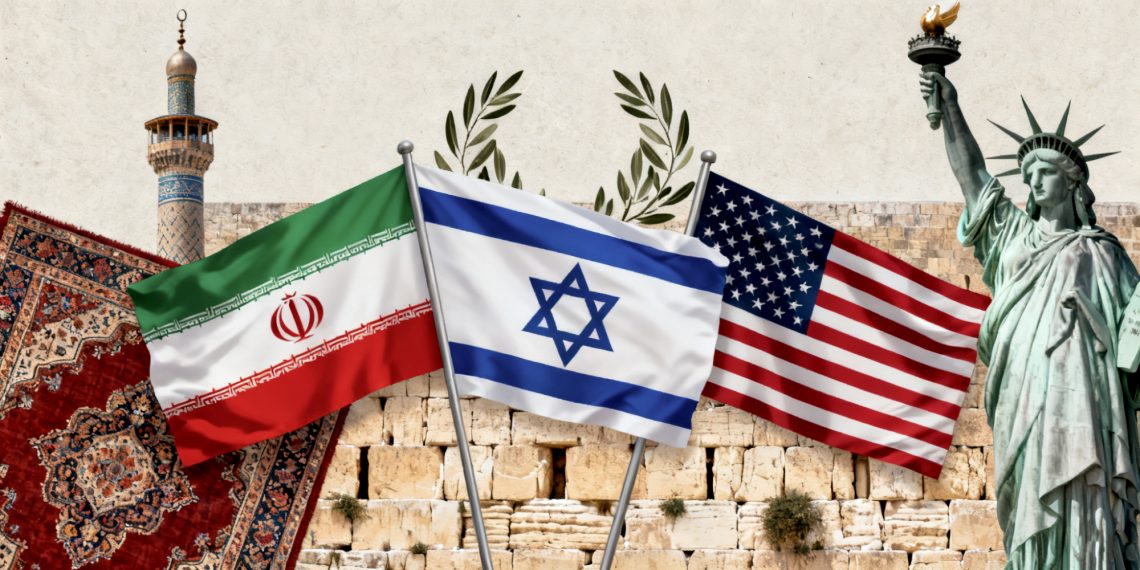
The current balance leans more toward an escalation of a combination of proxy operations, media escalation, and displays of power than toward the outbreak of a full-scale regional war in the near future. There is a real possibility of “escalating incidents” (proxy attacks, limited naval/missile strikes, tit-for-tat raids within Lebanon, Iraq, or Yemen) that could plunge the region into a cycle of recurring retaliatory attacks. However, a full-blown war between Iran and Israel/the United States remains relatively unlikely unless a major provocative event occurs (e.g., a direct, devastating strike on key Iranian sites or a naval incident causing significant American and Israeli casualties). This assessment is based on indicators of the parties’ mobilization status, their mutual willingness to use leverage for negotiations, and the existence of active diplomatic contacts/mediation channels. Iran possesses a network of proxies (Hezbollah, militias in Iraq, the Houthis) that enables it to respond indirectly without engaging in direct conventional warfare. Israel and the United States prefer to prevent the expansion of Iranian influence but balance retaliatory strikes with keeping tensions at a level that does not lead to a wider war. Media outlets often raise the stakes of rhetoric to increase political pressure and create better negotiating terms. Official statements and leaks may serve two parallel purposes: projecting strength. The threat is to raise the price for the opponent, and to maneuver within negotiations to secure concessions without a full-scale confrontation. Analytical reports have linked the waves of harsh rhetoric to attempts to improve negotiating terms.
In contrast, the Houthis and Iraqi militias have carried out swift attacks that have demonstrated the effectiveness of naval, missile, and drone pressure tactics against Israeli interests and its allies—tools that allow Iran breathing room to exert pressure without incurring the consequences of a direct confrontation. Previous ceasefire or de-escalation agreements (such as the 2025 US-Houthi truce) show that de-escalation is possible through mediation.
Both sides have demonstrated increased military readiness and deterrence policies (supplies, diplomatic mobilization, limited strikes), but they are also aware of the consequences of a regional war on supplies, energy, and international support. Intelligence reports and congressional statements show growing concern but do not definitively indicate an intention to engage in a full-scale war immediately. Escalation serves negotiating objectives for both sides while keeping the options of peace and war within manageable limits, but the risks are high and will increase with the accumulation of incidents.
It is impossible to accurately predict the course of events in the evolving relationship between Iran and the United States, a relationship governed by Israeli pressure and teetering between war and peace amidst ongoing negotiations and escalating media rhetoric. Simultaneously, efforts are underway to open bilateral channels between the United States and Iran’s proxies in the region (Hezbollah and Hamas). While Hamas can be described as an Iranian proxy like Hezbollah, it is not. These negotiations may be a shrewd security and military tactic to distract the conflicting parties with secondary issues, diverting their attention from the option of military confrontation and the state of high alert and preparations for violent conflict.
In the context of managing regional escalation and preventing a slide into a full-blown confrontation, there are increasing indications that the United States is resorting to indirect communication with non-state actors, primarily Hezbollah and Hamas, in a manner similar to its previous approach with Ansar Allah (the Houthis), which led to interim ceasefire understandings despite the continuation of declared hostility. Current US policy tends toward dismantling fronts rather than unifying them, meaning it seeks to manage the conflict rather than resolve it. This approach does not constitute political recognition, but rather pragmatic management of the threat. The nature of the open channels represents a means of controlling behavior, not a radical settlement of the problem. Communication is indirect, purely security-political, and conducted through international or regional mediators. It focuses on the rules of engagement in southern Lebanon and postpones the issue of disarmament, which will not be achieved by force, as Washington certainly seeks to prevent the war from spreading to Israel’s northern front in order to buy time in the negotiations with Iran.
At the same time, Hezbollah is striving to avoid a full-scale war under internal Lebanese pressures and may use limited escalation as an undeclared bargaining chip. The likely outcome is more unwritten understandings than a formal truce, making it easier for the United States, as the stronger party, to evade its commitments. This is especially true given that direct negotiations are conducted through regional intermediaries, before whom unwritten pledges and obligations can be circumvented, as happened in the Gaza ceasefire negotiations. Therefore, these understandings are more performative and temporary than permanent, a fact understood by both sides.
The Houthi model has set a practical precedent that has encouraged Washington to expand its indirect communication channels.
Washington seeks to de-escalate tensions in areas controlled by the Iranian axis while simultaneously negotiating with Tehran. At the same time, Iran, for its part, may overlook temporary truces if they serve to alleviate pressure and improve its negotiating position. This explains the timing of partial ceasefires with periods of diplomatic engagement.
Based on the negotiations and the escalating media rhetoric, opening channels of communication does not necessarily mean the end of the conflict, but rather its management using less costly means. The most probable scenario is: a localized de-escalation of the overall confrontation, unannounced understandings, and continued high levels of media escalation. The region is facing a phase of negotiation under fire, neither a full-scale war nor a sustainable peace, and these channels represent the context of the Iranian-American talks and the strategy of dismantling the fronts.